
Yellow Fly Season Is Here: What Freeport Residents Need to Know
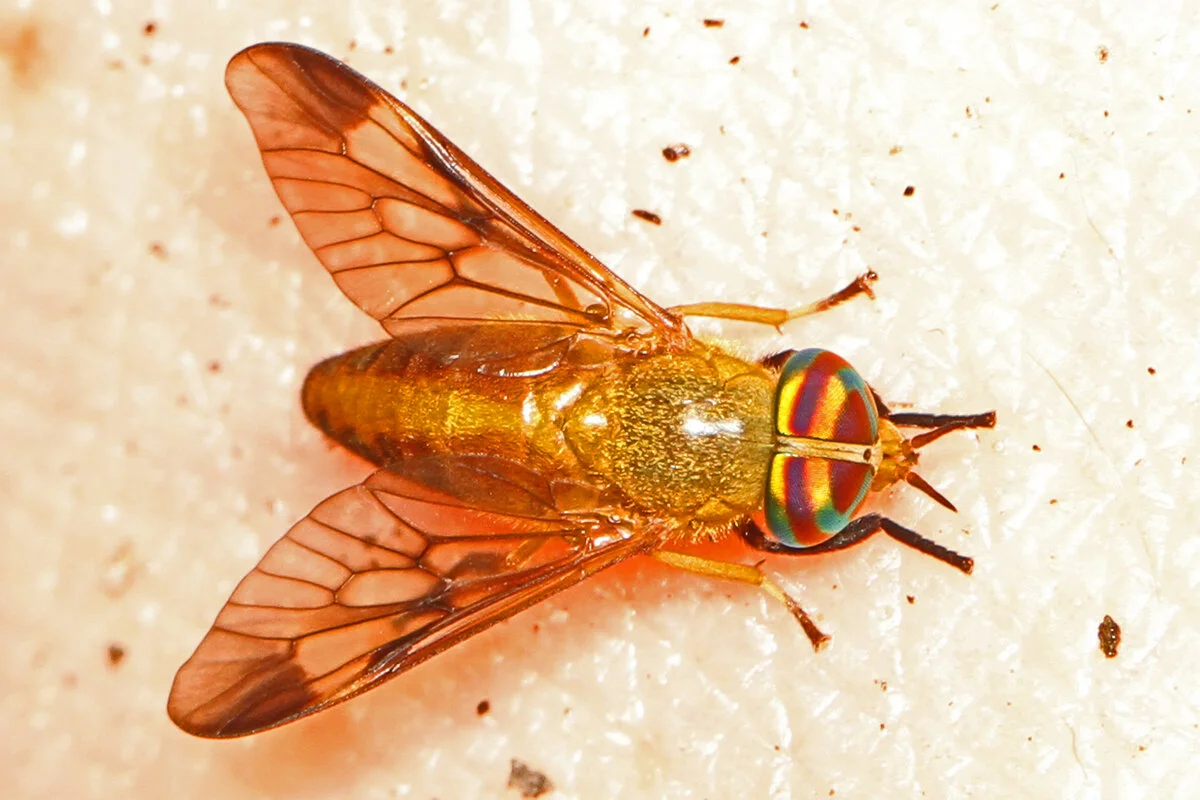
Yellow fly season has arrived in Walton County. The South Walton Mosquito District is again offering free sticky trap kits to residents through June 30 to help reduce the biting insects around homes.
Featured image: Photo by Judy Gallagher, CC BY 2.0
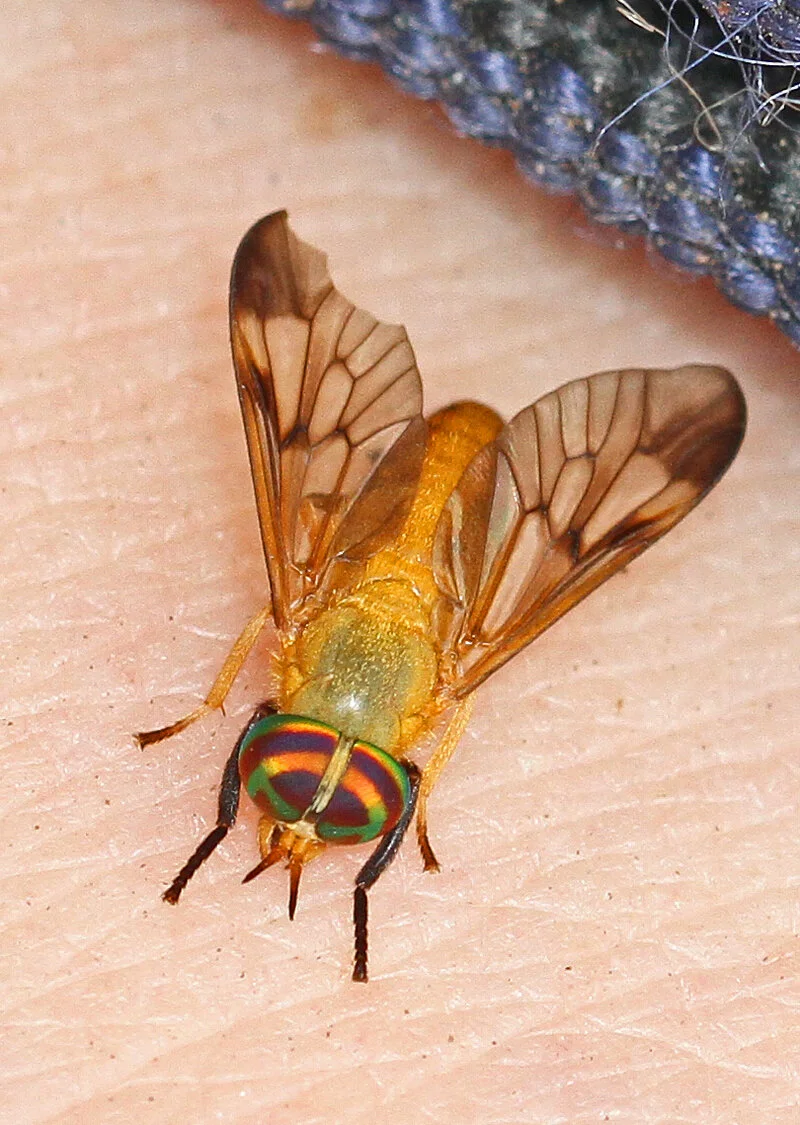 Photo by Judy Gallagher, CC BY 2.0
What Are Yellow Flies?
The name “yellow fly” actually covers about a dozen different species of yellow-bodied biting flies found across Florida. But when locals talk about “yellow flies,” they’re usually referring to one specific menace: Diachlorus ferrugatus, sometimes called the “yellow fly of the dismal swamp” or “doctor fly.”
They’re small — about 3/8 of an inch long — with yellow bodies, black forelegs, and brilliant blue-green eyes with purple bands. If you get close enough to see those eyes before one lands on you, you’ve got better reflexes than most.
The females are the biters. They use saw-like mouthparts to cut through your skin and feed on blood, which they need to produce eggs. The bite is sharp and painful, and the resulting welt can itch for days — sometimes weeks. Some people experience significant swelling and allergic reactions.
The males? They don’t bite at all. They feed on nectar and pollen and actually help with pollination — typical male behavior in the insect world.
When Are They Active?
Yellow fly season in the Florida Panhandle runs roughly from mid-April through June, with peak activity in May and early June. The flies tend to stick around for about six weeks before tapering off.
They’re daytime biters, most active in the late afternoon and on cloudy days. They prefer shade and humidity, so you’ll find them along tree lines, near wooded areas, around ponds and creeks, and in overgrown yards. They avoid bright, open, sunny areas — unless they’re very hungry.
One especially annoying trait: they fly almost silently. You usually don’t know one is on you until you feel the bite.
How Bad Are They in Freeport and Walton County?
Pretty bad. Walton County is prime yellow fly territory, with its mix of wetlands, forests, and coastal areas providing ideal habitat. The larvae develop in shaded aquatic and semi-aquatic environments — root mats under cypress trees, muddy edges of ponds and streams — and South Walton is full of those.
Ben Brewer, director of the South Walton Mosquito Control District, has said that some people who get bitten on a foot or toe have been unable to work. That’s not hype — these bites genuinely hurt.
Do Yellow Flies Carry Disease?
Here’s the good news: yellow flies are not known to be significant disease vectors in our area. Unlike mosquitoes, they aren’t major carriers of West Nile, Zika, or other viruses that affect humans in Florida.
The bad news: their bites are painful, can cause large itchy welts, and some people develop allergic reactions. If you’re sensitive to insect bites, you may experience more swelling and longer-lasting symptoms. Secondary infections from scratching are a real concern.
Symptoms typically peak at 24–48 hours and then start to improve. If symptoms worsen after that period or you develop a fever, seek medical attention.
Free Yellow Fly Kits from South Walton Mosquito District
The South Walton Mosquito District distributes free yellow fly sticky trap kits to residents each spring. For 2026, kits are available April 1 through June 30, Monday through Thursday, 7:30 a.m. to 4:00 p.m.
Here’s what you need to know:
- Who qualifies: South Walton residents (living south of Choctawhatchee Bay). One kit per primary residence.
- What to bring: Proof of residency, such as a utility bill with your residential address.
- Where to pick up: South Walton Mosquito District headquarters, 774 North County Hwy 393, Santa Rosa Beach, FL 32459.
- Phone: (850) 267-2112
How the Sticky Trap Works
The kit includes a dark-colored inflatable beach ball and sticky glue. Here’s the clever part: yellow flies are attracted to dark shapes and movement. You coat the ball in the glue, hang it from a shepherd’s hook (at least 3–4 feet off the ground) away from where you spend time, and the flies land on it and get stuck.
Important tips:
- Hang the trap away from where people gather — it attracts flies, so you don’t want it near your patio or play area. A tree line or corner of the yard is ideal.
- Do not hang it near hummingbird feeders or butterfly gardens. The glue will trap beneficial insects and birds too.
- Use olive oil to remove glue from skin. It does not come out of clothes or hair easily — exercise caution when applying it to the ball.
The traps won’t eliminate yellow flies entirely, but they can reduce the number around your yard.
Protecting Yourself from Bites
Beyond the sticky traps, here are practical steps you can take:
Clothing matters. Wear light-colored, long-sleeved shirts and long pants. Yellow flies are attracted to dark colors and movement. Avoid dark hats and sunglasses — yellow flies zero in on those.
Timing matters. Limit outdoor activities during peak hours: late afternoon and cloudy days. Midday sun is your friend — yellow flies avoid it.
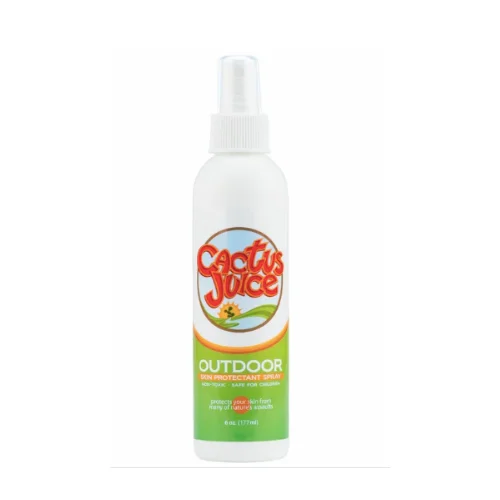
Repellents. DEET-based repellents are the most effective. Permethrin-treated clothing offers an additional layer of protection. Some locals swear by “Cactus Juice” (available at Ace Hardware and Modica Market in Seaside) and “Swamp Gator” as natural alternatives, though results vary.
Use a fan. Yellow flies are not strong fliers. A simple box fan on your porch or patio can keep them at bay — they can’t fly against the wind.
The flip-flop method. Yellow flies are slow landers. Many locals just wait for them to land and smack them. It’s not elegant, but it works.
What the Mosquito District Can’t Do
It’s worth understanding the limits. The South Walton Mosquito District does not spray for yellow flies. Daytime spraying would harm pollinators and other beneficial insects, and there’s no effective way to treat the larvae in natural wetlands. The sticky trap kits are the primary tool available.
This means prevention is largely on you. Cover up, use repellent, deploy your sticky trap, and be strategic about when you go outside during peak season.
When Does It End?
Yellow fly season typically lasts about six weeks. By late June or early July, the population drops off significantly and mosquitoes become the primary concern again.
So hang in there, pick up your free kit, and remember: this too shall pass. And then it’ll be mosquito season.
Sources: South Walton Mosquito District, UF/IFAS Featured Creatures — Yellow Fly, 30A — Yellow Flies: Tips for Dealing with this Florida Pest, 30A News — Free Yellow Fly Kits Offered as Painful Bite Season Begins, South Walton Life — Yellow Fly Season! Are You Ready?
